
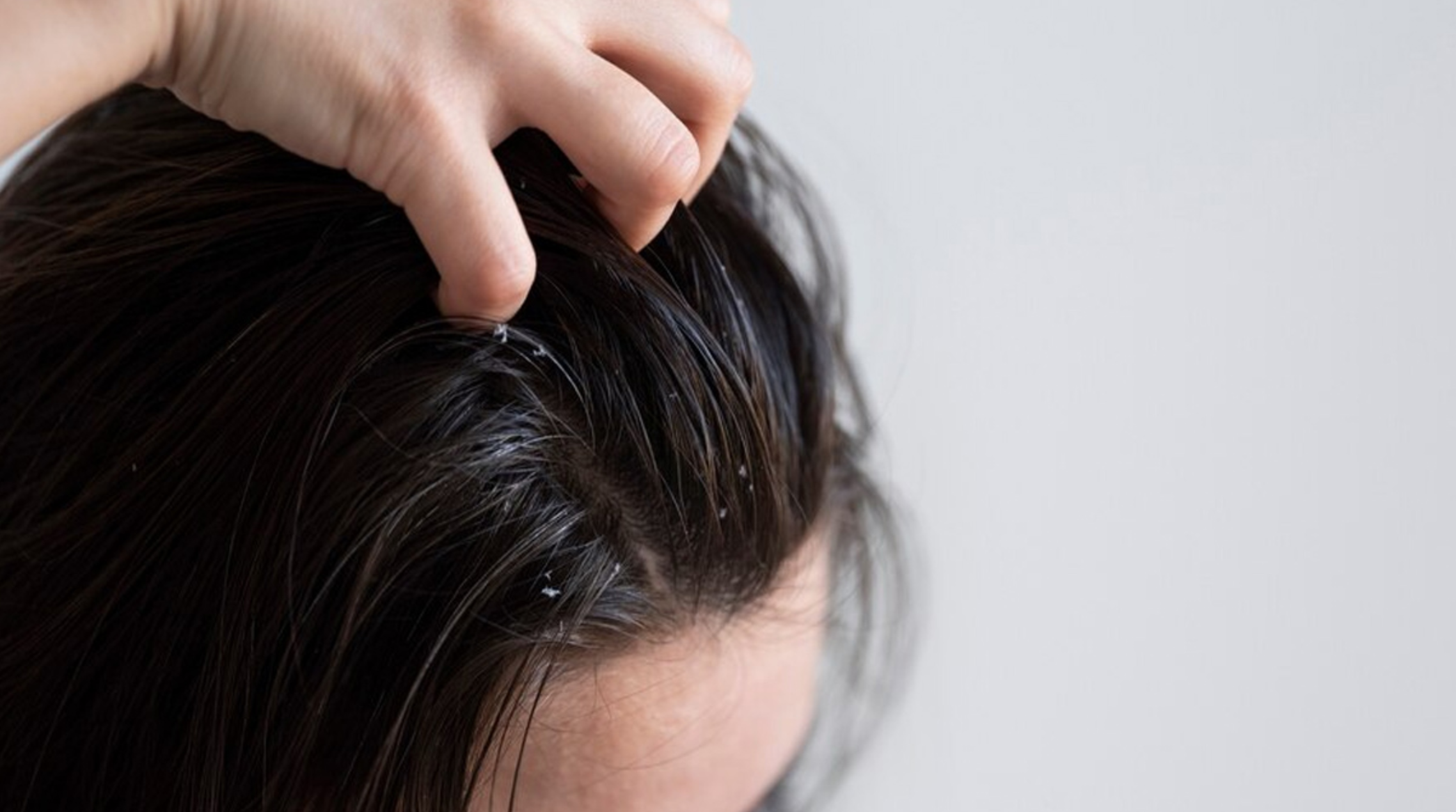
Monsoon Hair & Scalp: Dandruff, Itchy Scalp & Hair Fall Linked to Humidity
Does your scalp become oily, itchy, flaky, or uncomfortable as soon as the monsoon begins? Many people also notice increased hair shedding and assume that humidity is directly causing hair loss. In reality, several scalp conditions can worsen during warm, humid weather. According to Dr Divya Banswada MBBS, MD, Dermatologist at SkinNU in Kokapet, Hyderabad, dandruff, seborrheic dermatitis, scalp infections, sweat, and poor scalp hygiene can contribute to seasonal scalp problems, but persistent hair fall should always be assessed for its actual underlying cause.
Why Does Your Scalp Feel Worse During Monsoon?
Warm, humid weather can increase sweating and make the scalp feel oily or sticky. Sweat may mix with sebum, dead skin cells, pollution, and hair products, leading to buildup around the scalp and hair roots. People who wear helmets, caps, or head coverings for long periods may notice even more sweating, itching, or discomfort because moisture remains trapped against the scalp.
Humidity itself does not automatically cause a scalp disease, but it can create conditions that make existing problems more noticeable. Dandruff may flare, oily scalps may feel greasier, and certain infections may become more troublesome. Frequent scratching can further irritate the scalp. A consistent monsoon scalp care routine can help, but recurring symptoms may require a dermatologist’s evaluation.
Dandruff vs Seborrheic Dermatitis: What Is the Difference?
Dandruff usually appears as visible white or yellowish flakes with mild itching and little obvious inflammation. Seborrheic dermatitis is a related inflammatory condition that may cause more noticeable redness, greasy scaling, persistent itching, and irritation. It can affect not only the scalp but also oily areas such as the eyebrows, sides of the nose, behind the ears, beard, and chest.
A yeast called Malassezia, which normally lives on human skin, is associated with dandruff and seborrheic dermatitis. In susceptible people, interactions between this yeast, scalp oil, and the immune response can contribute to inflammation and scaling. This does not mean dandruff is simply caused by being “dirty,” and aggressive scrubbing or repeatedly scratching flakes away may actually worsen scalp irritation. If flakes persist, dandruff treatment in Kokapet, Hyderabad may be recommended after proper scalp assessment.
Can Monsoon Humidity Cause Fungal Scalp Problems?
Patients often use the terms “dandruff” and “fungal infection” interchangeably, but they are not always the same condition. Seborrheic dermatitis is associated with Malassezia yeast, whereas a true dermatophyte fungal infection of the scalp, such as tinea capitis, is a different medical condition. It may cause scaling, broken hairs, patchy hair loss, inflammation, or tender swollen areas.
A true scalp fungal infection may require prescription treatment and should not be managed only with cosmetic anti-dandruff products. If you notice circular areas of hair loss, broken hairs, painful swelling, pus, crusting, or rapidly spreading scalp lesions, consult a dermatologist in Kokapet, Hyderabad. Early diagnosis is important because several scalp conditions can look similar but require very different treatments. Learn more about fungal infection treatment in Kokapet, Hyderabad when symptoms persist or worsen.
Why Hair Fall May Seem Worse During Monsoon
Many people report increased hair on their pillow, bathroom floor, or comb during the rainy season. However, it is important not to assume that humidity itself directly causes permanent hair loss. Increased shedding can have many causes, including telogen effluvium, nutritional deficiencies, thyroid problems, recent illness, significant stress, hormonal changes, rapid weight loss, medications, or genetic hair loss.
Scalp inflammation can also affect hair quality and make shedding seem more noticeable. Severe itching and repeated scratching may damage hair shafts, while dandruff buildup can make normal shed hairs more visible during washing. If hair fall continues for several weeks, causes visible thinning, creates bald patches, or is accompanied by scalp symptoms, a medical evaluation can help identify the real cause. Persistent shedding may require hair fall treatment in Kokapet, Hyderabad tailored to the underlying diagnosis.
Ketoconazole Shampoo: When Can It Help?
Ketoconazole is an antifungal active commonly used in medicated shampoos for conditions such as dandruff and seborrheic dermatitis. It works by reducing yeast activity associated with these conditions. Depending on the diagnosis and severity, a dermatologist may recommend a specific strength, frequency, and duration rather than using medicated shampoo randomly whenever the scalp feels itchy.
For medicated shampoos to work effectively, they generally need appropriate contact with the scalp rather than being applied only to the hair lengths and rinsed immediately. Follow your dermatologist’s or product instructions regarding contact time and frequency. Overusing medicated shampoos may cause dryness or irritation in some people, so more frequent washing does not necessarily produce faster or better results.
Salicylic Acid Shampoo for Flaky and Scaly Scalp
Salicylic acid is a keratolytic ingredient, meaning it can help loosen and remove excess scale and dead skin buildup. It may be useful in selected people with significant scalp scaling or thick flakes. However, salicylic acid does not treat every cause of an itchy scalp and should not automatically replace antifungal or anti-inflammatory treatment when those are medically required.
If your scalp is already sensitive, inflamed, scratched, or very dry, frequent use of strong exfoliating shampoos may increase irritation. A dermatologist may sometimes recommend alternating different shampoo actives depending on the condition. The correct approach may involve ketoconazole, salicylic acid, or other medicated ingredients, but treatment should match the diagnosis rather than following a one-shampoo-fits-all approach.
Should You Avoid Hair Oil During Monsoon?
Hair oil is deeply connected with Indian haircare routines, and it is not automatically harmful. However, heavy or prolonged scalp oiling may not suit everyone, especially people with an oily scalp, active dandruff, seborrheic dermatitis, or recurrent follicular problems. Leaving thick layers of oil on a sweaty scalp for extended periods may increase greasiness and make scalp buildup more difficult to manage.
If you have active dandruff or an itchy, oily scalp, avoid assuming that more oil will “cure” dryness or flakes. Dandruff is not simply a lack of scalp oil. If you prefer oiling your hair, focus more on the hair lengths when appropriate and avoid prolonged heavy scalp oiling if it clearly worsens itching or scaling. Individual advice may vary according to your scalp condition.
Simple Monsoon Scalp Hygiene Routine
A healthy scalp does not require complicated treatments or daily home remedies. The goal is to keep the scalp reasonably clean, avoid prolonged moisture and product buildup, and use medicated products only when appropriate. Washing frequency should depend on scalp oiliness, sweating, exercise, hairstyle, and underlying conditions rather than following a fixed rule for everyone.
- Wash after heavy sweating: Do not allow sweat and product buildup to remain on an oily scalp for prolonged periods.
- Dry the scalp properly: Avoid tying up or covering soaking-wet hair for long periods.
- Use medicated shampoos correctly: Ketoconazole or salicylic acid products should be used according to professional or product guidance.
- Avoid aggressive scratching: Scratching can worsen inflammation and damage the scalp and hair shafts.
- Limit heavy scalp oiling: Especially if oil clearly worsens dandruff, itching, or greasiness.
- Clean combs and brushes: Remove accumulated hair and product residue regularly.
- Do not share personal items: Avoid sharing combs, brushes, towels, caps, or other personal hair items, particularly when an infection is suspected.
- Keep helmet liners clean: Sweat-soaked helmet padding can repeatedly contact the scalp and forehead.
Wet Hair Habits That May Be Making Your Scalp Worse
Getting caught in monsoon rain is sometimes unavoidable, but leaving the scalp wet for prolonged periods can feel uncomfortable and may worsen irritation in people with existing scalp conditions. Rainwater can also mix with dust, pollution, sweat, and hair products. If your hair becomes heavily wet or dirty outdoors, washing or rinsing appropriately and drying the scalp thoroughly may improve comfort.
Avoid tying very wet hair into a tight bun or ponytail for several hours. Tight hairstyles can add mechanical stress to the hair, particularly when strands are wet and more vulnerable to breakage. Use a clean towel gently rather than rubbing aggressively. If using a hair dryer, choose a comfortable heat setting and avoid repeatedly applying excessive heat directly to the scalp.
Monsoon Scalp Checklist for Different Hair and Scalp Types
Your ideal monsoon routine depends more on your scalp type than on whether your hair is straight, curly, long, or short. An oily, dandruff-prone scalp needs different care from a dry, sensitive scalp. Similarly, chemically treated or curly hair may need conditioning on the lengths even when the scalp itself becomes oily, making separate scalp and hair care important.
- Oily scalp: Cleanse regularly with a suitable shampoo and avoid excessive product buildup.
- Dandruff-prone scalp: Consider dermatologist-recommended anti-dandruff actives such as ketoconazole when appropriate.
- Thick scaling: Salicylic acid-based products may help selected patients when used correctly.
- Dry or sensitive scalp: Avoid excessive medicated shampoo use and harsh cleansing without guidance.
- Curly or dry hair: Focus conditioner on the lengths while treating the scalp separately when needed.
- Heavy sweating: Adjust washing frequency according to sweat, oil, exercise, and product buildup.
- Active hair fall: Do not rely only on anti-hair-fall shampoos; investigate the underlying cause if shedding persists.
When Should You See a Dermatologist for Dandruff or Hair Fall?
Occasional mild dandruff may improve with appropriate scalp care, but persistent symptoms deserve attention. Consult a dermatologist if you have severe itching, thick scaling, redness, pus-filled bumps, crusting, scalp pain, patchy hair loss, broken hairs, or dandruff that repeatedly returns despite using suitable products. These signs may indicate a condition requiring more specific medical treatment.
Professional insight from Dr Divya Banswada: “Dandruff, fungal scalp infections, and hair fall are not the same problem. Treating every itchy scalp with oil or every episode of hair shedding with an anti-hair-fall shampoo can delay the correct diagnosis. The first step is understanding whether the concern is scalp inflammation, infection, hair shedding, or a combination of these.” Resources from the World Health Organization (WHO), the Centers for Disease Control and Prevention (CDC), and the Indian Council of Medical Research (ICMR) also highlight that accurate diagnosis is essential when scalp symptoms persist.
Conclusion
Monsoon humidity can make dandruff, oily scalp, itching, and scalp discomfort more noticeable, but seasonal hair fall should not automatically be blamed on the weather. Dandruff and seborrheic dermatitis may respond to targeted scalp care, including medicated shampoo actives such as ketoconazole or salicylic acid when appropriate. Good scalp hygiene, sensible washing, proper drying, and avoiding excessive oil buildup can also help.
If dandruff keeps returning, your scalp is intensely itchy, or hair shedding is becoming excessive, consult Dr Divya Banswada MBBS, MD, Dermatologist at SkinNU in Kokapet, Hyderabad. A detailed scalp and hair assessment can identify whether the problem is seborrheic dermatitis, fungal infection, scalp inflammation, telogen effluvium, nutritional factors, or another cause and guide an evidence-based treatment plan.
Struggling with stubborn dandruff, an itchy or oily scalp, recurring flakes, or unexplained hair fall this monsoon? Book a consultation with Dr Divya Banswada at SkinNU in Kokapet, Hyderabad, for an accurate scalp diagnosis and a personalised hair and scalp treatment plan. You can also book a hair and scalp consultation at SkinNU online.
Phone: 91003 33255 · Address: Skin n u clinics, 4th Floor, MN Corner, Golden Mile Road, Kokapet
Medical disclaimer: This content is for educational purposes only and should not replace medical consultation. Please contact your doctor for personalised advice.