
Melasma Treatment Options Explained by a Dermatologist in Hyderabad
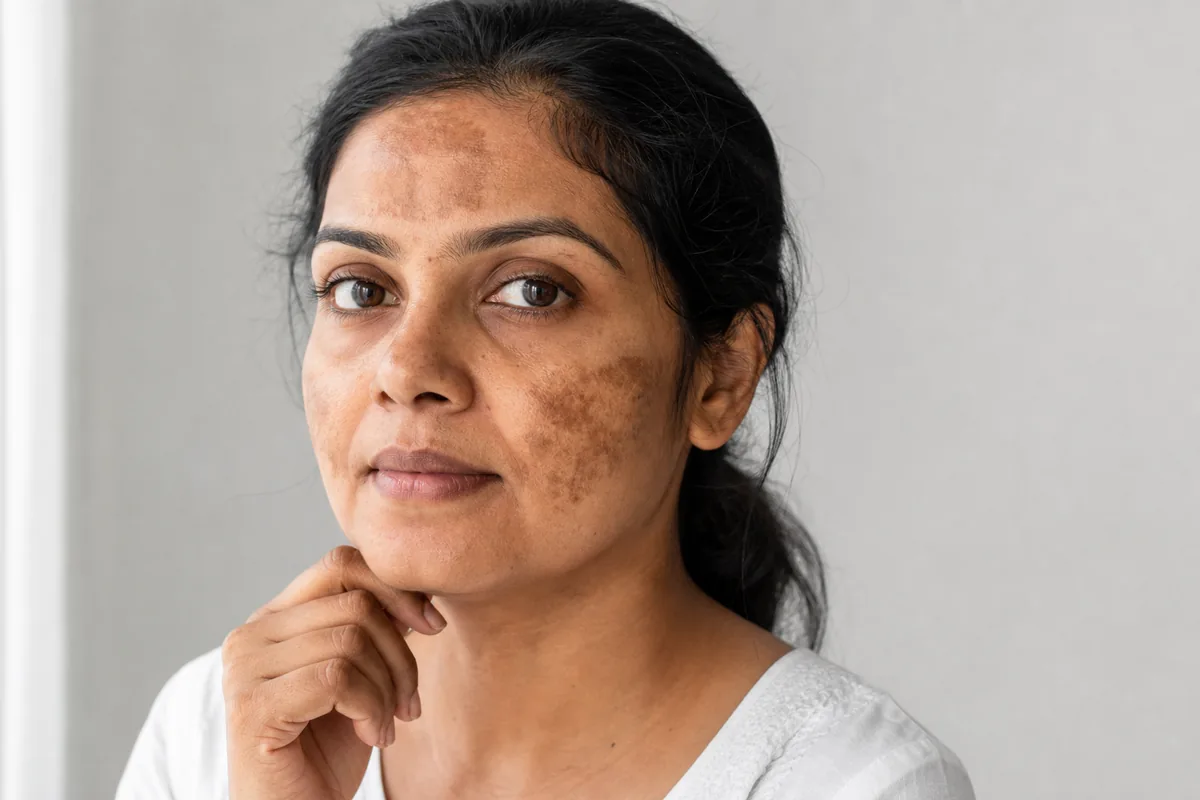
Looking for melasma treatment in Hyderabad? Melasma appears as brown or grey-brown patches, often on the cheeks, forehead, upper lip, or nose. It is common in Indian skin and can worsen with sun, heat, hormones, and pregnancy. According to Dr Divya Banswada MBBS, MD, Dermatologist at Skin N U Clinics in Kokapet, melasma needs a long-term plan — not a single peel or laser day.
What Causes Melasma?
Melasma involves excess melanin in the epidermis, dermis, or both. Triggers include ultraviolet and visible light, heat, pregnancy, oral contraceptives, hormone therapy, genetics, and sometimes medicines or cosmetics that irritate the skin. Hyderabad’s strong sun and humid heat can make patches look darker even on cloudy monsoon days.
Correct diagnosis matters. Post-inflammatory hyperpigmentation, lichen planus pigmentosus, and drug-induced pigment can mimic melasma. A dermatologist may use clinical exam and dermoscopy before recommending pigmentation treatment in Kokapet.
Foundation of Every Melasma Plan: Sun & Heat Protection
No clinic procedure works well if daily protection is skipped. Use a broad-spectrum sunscreen (preferably SPF 30 or higher) every morning, reapply outdoors, and add physical shade, hats, and window habits when practical. Visible light and heat also matter for some patients — tinted mineral sunscreens may help selected skin types.
Guidance from organisations such as the American Academy of Dermatology emphasises sun protection as non-negotiable in melasma care.
Medical Topicals Dermatologists May Use
Prescription regimens may include hydroquinone (time-limited where appropriate), retinoids, azelaic acid, kojic acid, tranexamic acid (topical or oral in selected cases), vitamin C, niacinamide, and combination creams. Self-mixing strong acids or steroid fairness creams from unverified sources can damage the barrier and worsen pigment.
Your plan should match skin type, pregnancy status, and tolerance. Never start oral tranexamic acid without medical review of contraindications.
Chemical Peels for Melasma
Superficial peels — such as carefully chosen glycolic, lactic, mandelic, or modified Jessner protocols — can help epidermal pigment when done by trained clinicians. Aggressive peels on Indian skin risk rebound pigmentation. Spacing, priming with topicals, and aftercare matter as much as the peel agent. See chemical peels in Kokapet.
Lasers & Light-Based Options
Devices such as laser toning or low-fluence Q-switched protocols may help selected dermal or mixed melasma — but lasers can also flare pigment if settings, intervals, or aftercare are wrong. Melasma is not the same as a freckle or sunspot; aggressive “spot removal” marketing is a red flag.
Laser pigmentation treatment should follow diagnosis, phototype assessment, and realistic counselling about maintenance.
Why Melasma Returns
Even after clearing, sun, heat, hormones, and inflammation can restart pigment production. Think of melasma like a chronic condition managed in seasons — especially festival travel, weddings, and outdoor work across west Hyderabad (Kokapet, Narsingi, Gachibowli).
What to Avoid
- DIY lemon, toothpaste, or harsh scrubs on dark patches
- Unsupervised high-strength steroid “fairness” creams
- Back-to-back aggressive lasers without medical oversight
- Skipping sunscreen on cloudy or rainy days
Frequently Asked Questions
Conclusion
Effective melasma treatment in Hyderabad is layered: protection, topicals, cautious procedures, and maintenance. At Skin N U Clinics, Kokapet, Dr Divya Banswada personalises plans for Indian skin tones and local climate triggers.
Noticing stubborn cheek or upper-lip patches? Book a pigmentation consultation.
Phone: 91003 33255 · Address: Skin n u clinics, 4th Floor, MN Corner, Golden Mile Road, Kokapet
Medical disclaimer: This content is for educational purposes only and should not replace medical consultation. Please contact your doctor for personalised advice.