
Fungal Skin Infections Common in India: Diagnosis, Prevention, and Treatment
Fungal skin infections are among the most common dermatological conditions seen across India. The country's warm and humid climate creates an ideal environment for fungi to grow and spread, making these infections particularly prevalent throughout the year. While fungal infections are generally not life-threatening, they can cause significant discomfort, itching, skin damage, and recurrent symptoms if not treated properly.
According to the dermatology experts at Skin N U Clinics, Kokapet, fungal infections have become increasingly common due to factors such as excessive sweating, tight clothing, poor hygiene practices, self-medication, and improper use of steroid-containing creams. Early diagnosis and appropriate treatment are essential to prevent the infection from spreading and becoming chronic.
What Are Fungal Skin Infections?
Fungal skin infections occur when microscopic fungi invade the outer layers of the skin, hair, or nails. These organisms thrive in warm, moist environments and can spread through direct skin-to-skin contact, contaminated surfaces, clothing, towels, and even pets.
Although anyone can develop a fungal infection, individuals living in tropical climates, athletes, people with diabetes, and those with weakened immune systems are generally at a higher risk.
Fungal infections may affect different parts of the body and often cause redness, itching, scaling, discoloration, and irritation.
Common Types of Fungal Skin Infections in India
1. Ringworm (Tinea Corporis)
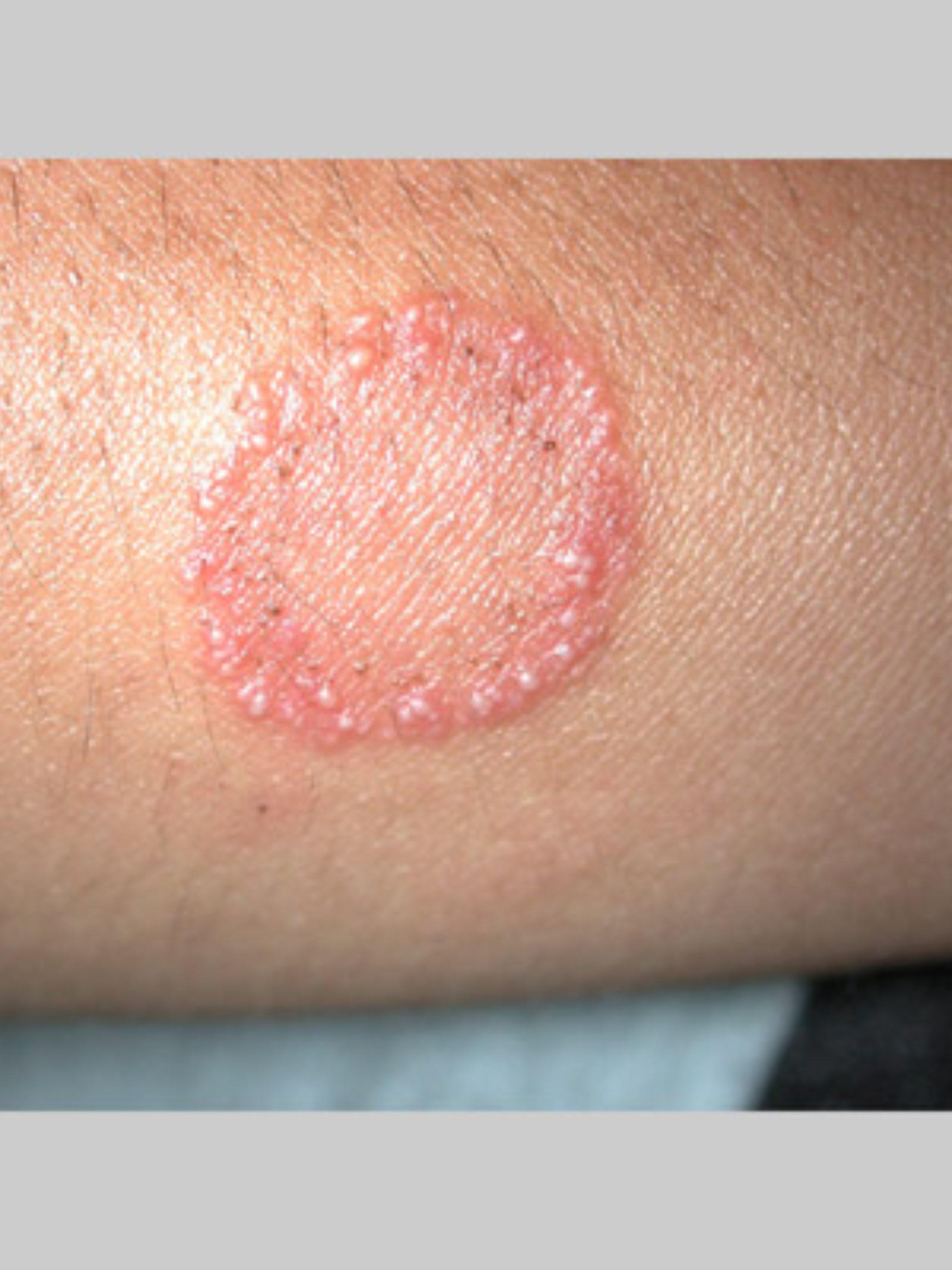
Despite its name, ringworm is not caused by a worm. It is a fungal infection that appears as circular, red, itchy patches with raised borders. It commonly affects the arms, legs, neck, and trunk.
The infection spreads easily through direct contact with infected individuals, pets, or contaminated objects.
2. Jock Itch (Tinea Cruris)
Jock itch affects the groin, inner thighs, and surrounding skin folds. It is particularly common among men and individuals who sweat excessively.
Symptoms may include intense itching, redness, burning sensations, and scaly rashes that worsen in hot and humid conditions.
3. Athlete's Foot (Tinea Pedis)
Athlete's foot is a fungal infection affecting the feet, particularly between the toes. Walking barefoot in public showers, gyms, swimming pools, and locker rooms can increase the risk of infection.
Patients often experience itching, peeling skin, cracks between the toes, and an unpleasant odor.
4. Fungal Nail Infection (Onychomycosis)
Fungal infections can also affect the fingernails and toenails, causing discoloration, thickening, brittleness, and nail deformities. Without treatment, the infection may gradually spread and damage the entire nail. Nail disorder treatment at Skin N U Clinics can address persistent fungal nail concerns.
5. Pityriasis Versicolor
This common fungal condition causes lighter or darker patches on the chest, back, shoulders, and neck. The affected areas may become more noticeable after sun exposure due to uneven pigmentation.
Although not dangerous, the condition can affect appearance and may recur frequently in humid climates.
Why Are Fungal Infections So Common in India?
Several environmental and lifestyle factors contribute to the high prevalence of fungal infections across India.
- Hot and humid weather conditions
- Excessive sweating
- Tight-fitting or non-breathable clothing
- Sharing personal items such as towels and clothing
- Poor hygiene practices
- Diabetes and weakened immunity
- Overuse of steroid-containing creams without medical supervision
The dermatologists at Skin N U Clinics frequently observe patients whose fungal infections worsen due to self-treatment with over-the-counter creams that temporarily suppress symptoms but allow the infection to spread deeper into the skin. The Indian Association of Dermatologists, Venereologists and Leprologists (IADVL) also emphasises the importance of proper diagnosis before starting any skin treatment.
Common Symptoms of Fungal Skin Infections
The symptoms may vary depending on the type and location of the infection. However, some warning signs are commonly seen across most fungal conditions.
- Persistent itching
- Red or discolored patches
- Circular or ring-shaped rashes
- Peeling or scaling skin
- Burning sensation
- Cracked skin
- Skin irritation and discomfort
- Changes in nail color or thickness
If these symptoms persist for more than a few days or continue to spread, professional medical evaluation is recommended. Itching and rash treatment begins with identifying whether the cause is fungal, allergic, or inflammatory.
How Are Fungal Skin Infections Diagnosed?
Accurate diagnosis is crucial because fungal infections can sometimes resemble eczema, psoriasis, allergies, or other skin conditions. Treating the wrong condition can worsen symptoms and delay recovery.
At Skin N U Clinics, Kokapet, dermatologists perform a detailed skin examination and evaluate the patient's medical history and symptoms. In some cases, laboratory testing may be recommended to identify the specific fungus responsible for the infection.
Diagnostic methods may include:
- Clinical skin examination
- Microscopic evaluation of skin scrapings
- Fungal culture testing
- Nail sample analysis for nail infections
Early and accurate diagnosis helps ensure faster recovery and reduces the risk of recurrence. Book a dermatologist consultation for a thorough evaluation.
Treatment Options for Fungal Skin Infections
Treatment depends on the severity, location, and duration of the infection. Mild infections may respond to topical antifungal medications, while more extensive infections may require oral antifungal therapy.
Common treatment approaches include:
- Prescription antifungal creams
- Antifungal lotions and powders
- Oral antifungal medications
- Medicated shampoos for scalp involvement
- Nail-specific antifungal treatments
- Preventive skincare recommendations
The dermatology team at Skin N U Clinics develops personalized treatment plans based on each patient's condition and risk factors. Skin infection treatment and advanced skin care solutions are tailored to restore healthy skin. Completing the full course of treatment is important, even if symptoms improve earlier, to prevent recurrence.
According to the American Academy of Dermatology (AAD), completing prescribed antifungal therapy is essential to prevent infections from returning.
How to Prevent Fungal Skin Infections
Preventive measures can significantly reduce the risk of developing fungal infections and recurring outbreaks.
- Keep your skin clean and dry.
- Change sweaty clothes promptly.
- Wear loose-fitting cotton clothing.
- Avoid sharing towels, footwear, and personal items.
- Dry skin folds thoroughly after bathing.
- Use clean socks and footwear daily.
- Maintain good blood sugar control if you have diabetes.
- Avoid self-medication with steroid-containing creams.
- Practice proper hygiene at gyms and swimming pools.
Simple daily habits can go a long way in preventing fungal infections, especially in India's tropical climate. The World Health Organization (WHO) recommends maintaining skin hygiene and seeking timely care for persistent rashes.
When Should You See a Dermatologist?
Many fungal infections become chronic because patients delay treatment or rely on home remedies that fail to address the root cause. Seeking medical attention early can prevent the infection from spreading and causing long-term skin damage.
You should consult a dermatologist if:
- The rash continues to spread.
- Symptoms persist despite treatment.
- The infection repeatedly returns.
- Nails become thickened or discolored.
- Severe itching interferes with daily activities.
- You have diabetes or a weakened immune system.
At Skin N U Clinics, patients receive comprehensive dermatological evaluations and evidence-based treatment strategies designed to eliminate fungal infections and reduce the likelihood of recurrence.
Professional Insight from Skin N U Clinics: “Fungal infections are highly treatable when diagnosed early. The biggest challenge we see is delayed treatment and misuse of steroid creams, which often make infections more difficult to manage. Timely medical intervention can help patients achieve faster recovery and healthier skin.”
Conclusion
Fungal skin infections are extremely common in India due to the country's climate and lifestyle factors. While these infections may initially seem minor, they can become persistent, uncomfortable, and difficult to treat if ignored. Recognizing the symptoms early, maintaining good hygiene, and seeking professional dermatological care can make a significant difference in treatment outcomes.
If you are experiencing persistent itching, rashes, skin discoloration, or recurring fungal infections, consult the experts at Skin N U Clinics, Kokapet. Early diagnosis and personalized treatment can help restore healthy skin and prevent future infections.
Experiencing persistent itching, rashes, or recurring fungal infections? Book your consultation at Skin N U Clinics, Kokapet for expert diagnosis and personalized treatment.
Phone: 91003 33255 · Address: Skin n u clinics, 4th Floor, MN Corner, Golden Mile Road, Kokapet
Medical disclaimer: This content is for educational purposes only and should not replace medical consultation. Please contact your doctor for personalised advice.