Adult Acne vs Hormonal Acne: Understanding the Key Differences for Healthier Skin
Acne is one of the most common skin concerns affecting people of all ages. While many associate acne with the teenage years, an increasing number of adults continue to experience stubborn breakouts well into their 20s, 30s, and even 40s. However, not all acne is the same. Two of the most commonly confused conditions are adult acne and hormonal acne.
According to the dermatology experts at Skin N U Clinics, Kokapet, understanding the underlying cause of acne is essential for achieving long-term results. Many individuals spend years trying different skincare products without realizing that their breakouts may be driven by hormonal imbalances rather than external factors. Identifying the type of acne you have can help you receive the right treatment and prevent future flare-ups.
What is Adult Acne?
Adult acne refers to acne that develops or persists after the age of 25. Unlike teenage acne, which is largely linked to puberty-related hormonal changes, adult acne is often influenced by a combination of lifestyle, environmental, and genetic factors.
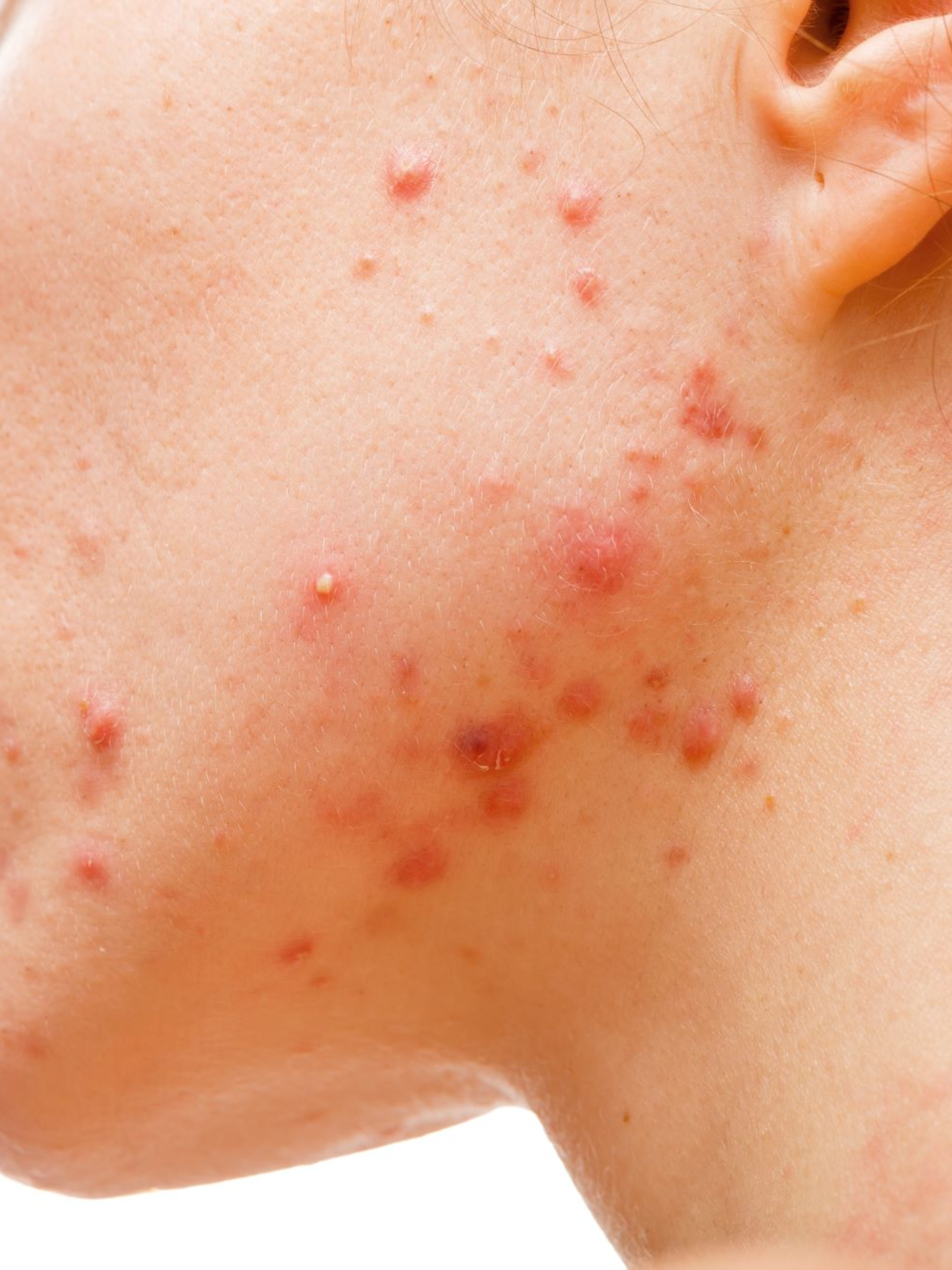
Adult acne may appear as blackheads, whiteheads, inflammatory pimples, pustules, or painful cysts. It commonly affects the cheeks, jawline, chin, neck, and sometimes the forehead. Many adults also experience post-acne pigmentation and scarring, making the condition more challenging to manage.
The dermatologists at Skin N U Clinics frequently see patients whose acne is triggered by stress, poor sleep patterns, unhealthy dietary habits, pollution exposure, and the use of unsuitable cosmetic products. Because these triggers often persist in daily life, adult acne can become a recurring concern if left untreated.
What is Hormonal Acne?
Hormonal acne is a specific form of acne caused by fluctuations in hormone levels. It is particularly common among women and often occurs during menstruation, pregnancy, menopause, or in individuals with hormonal conditions such as Polycystic Ovary Syndrome (PCOS).
Hormonal changes stimulate the sebaceous glands to produce excess oil. This increased oil production can clog pores, encourage bacterial growth, and trigger inflammation, resulting in acne breakouts. Research from the National Institutes of Health (NIH) highlights how hormonal shifts can significantly influence sebum production and acne severity.
Hormonal acne typically appears around the lower face, especially the jawline, chin, and neck. The lesions are often deeper, more painful, and more likely to recur in a predictable pattern. Many patients notice flare-ups just before their menstrual cycle or during periods of hormonal imbalance.
Common Causes of Adult Acne
Several factors can contribute to adult acne. Understanding these triggers is important for effective treatment and prevention.
- Chronic stress: Increased stress levels can stimulate hormones that increase oil production.
- Poor sleep habits: Inadequate sleep can affect skin repair and inflammation control.
- Unhealthy diet: Excessive consumption of sugary foods and highly processed products may worsen acne in some individuals.
- Environmental pollution: Pollutants can clog pores and increase skin irritation.
- Improper skincare products: Heavy or comedogenic products can contribute to blocked pores.
- Genetics: A family history of acne can increase the likelihood of developing persistent breakouts.
Many adults experience a combination of these factors, making professional diagnosis essential for identifying the primary cause.
Common Causes of Hormonal Acne
Hormonal acne is driven by internal hormonal fluctuations that affect the skin's oil-producing glands.
- Menstrual cycle changes
- Pregnancy-related hormonal fluctuations
- Menopause
- Polycystic Ovary Syndrome (PCOS)
- Increased androgen hormone levels
- Certain hormonal medications
These hormonal changes increase sebum production, creating an environment where acne-causing bacteria can thrive. This often leads to recurring and persistent breakouts that may not respond to routine skincare products alone.
Adult Acne vs Hormonal Acne: Key Differences
Although both conditions can appear similar, there are important distinctions between them.
Adult Acne:
- Can affect both men and women.
- Often linked to lifestyle and environmental factors.
- May occur on the cheeks, forehead, jawline, and neck.
- Can include blackheads, whiteheads, and inflammatory pimples.
- Breakouts may occur unpredictably.
Hormonal Acne:
- More common in women.
- Triggered primarily by hormonal fluctuations.
- Usually concentrated around the jawline and chin.
- Often presents as painful cystic acne.
- Breakouts tend to follow a recurring hormonal pattern.
Because the treatment approach differs significantly, accurate diagnosis by a dermatologist is essential for achieving effective results.
Signs That Your Acne May Be Hormonal
You may be experiencing hormonal acne if you notice:
- Breakouts occurring before your menstrual cycle.
- Painful cystic pimples beneath the skin.
- Acne concentrated around the chin and jawline.
- Persistent acne despite using skincare products.
- Associated symptoms such as irregular periods or excessive facial hair growth.
If these symptoms are present, a comprehensive dermatological evaluation can help identify any underlying hormonal concerns.
Potential Complications of Untreated Acne
Many people consider acne a cosmetic issue, but untreated acne can have long-term consequences. Persistent inflammation can damage the skin and lead to permanent changes.
Common complications include:
- Acne scars
- Post-inflammatory hyperpigmentation
- Uneven skin texture
- Persistent redness
- Reduced self-confidence and emotional distress
The experts at Skin N U Clinics emphasize the importance of early intervention to prevent these complications and maintain healthy skin. The World Health Organization (WHO) also recognises skin conditions as conditions that benefit from timely medical care rather than delayed self-treatment.
Treatment Options for Adult and Hormonal Acne
Treatment depends on the type, severity, and underlying cause of acne. At Skin N U Clinics, Kokapet, dermatologists create personalized treatment plans tailored to each patient's skin condition and lifestyle.
Common treatment options may include:
- Medical-grade topical treatments and acne control
- Prescription acne medications
- Chemical peels for acne and pigmentation
- Advanced acne scar treatments
- Oil-control skincare regimens
- Hormonal management when required
- Pigmentation treatment for post-acne marks
- Customized skincare recommendations
According to recommendations from the American Academy of Dermatology (AAD), personalized acne treatment plans are often more effective than self-medication or over-the-counter products alone.
Professional treatment not only addresses active acne but also helps prevent future breakouts and reduce the risk of scarring.
Tips to Prevent Acne Flare-Ups
While professional treatment is important, certain lifestyle habits can help support clearer skin.
- Cleanse your face with a gentle dermatologist-recommended cleanser.
- Avoid picking or squeezing pimples.
- Use non-comedogenic skincare and makeup products.
- Manage stress through exercise and relaxation techniques.
- Maintain a balanced diet rich in fruits and vegetables.
- Stay hydrated throughout the day.
- Get adequate sleep every night.
- Follow a consistent skincare routine.
These habits can help reduce triggers and improve overall skin health when combined with professional dermatological care.
When Should You Consult a Dermatologist?
If your acne is persistent, painful, leaving scars, or affecting your confidence, it is time to seek professional help. Delaying treatment often allows inflammation to continue, increasing the risk of long-term skin damage.
At Skin N U Clinics, patients receive comprehensive skin evaluations, advanced diagnostic assessments, and evidence-based acne treatments designed to deliver lasting results. Whether your condition is caused by lifestyle factors, hormonal changes, or a combination of both, the team focuses on addressing the root cause rather than simply treating symptoms. Book a dermatologist consultation to get started.
Professional Insight from Skin N U Clinics: “Acne is not a one-size-fits-all condition. Understanding whether your breakouts are related to adult acne, hormonal fluctuations, or both allows us to create a targeted treatment plan that delivers better and more sustainable outcomes.”
Conclusion
Although adult acne and hormonal acne may appear similar, their causes, patterns, and treatment approaches can differ significantly. Understanding these differences is the first step toward achieving clearer and healthier skin. Seeking early dermatological care can help prevent complications such as scarring, pigmentation, and recurring breakouts.
If you are struggling with persistent acne, professional evaluation can provide clarity and effective solutions. At Skin N U Clinics, Kokapet, experienced dermatologists offer personalized acne treatments tailored to your unique skin needs, helping you achieve long-term skin health and confidence.
Struggling with adult acne or recurring hormonal breakouts? Schedule your consultation at Skin N U Clinics for expert diagnosis and personalised acne treatment solutions.
Phone: 91003 33255 · Address: Skin n u clinics, 4th Floor, MN Corner, Golden Mile Road, Kokapet
Medical disclaimer: This content is for educational purposes only and should not replace medical consultation. Please contact your doctor for personalised advice.